There are many myths and old wives tales involving various bugs that make them seem far, far more scary than they actually are. Here; we are going to dispel the myth and discuss where they came from and what the truth is.
Myth: Giant Camel Spiders Exist
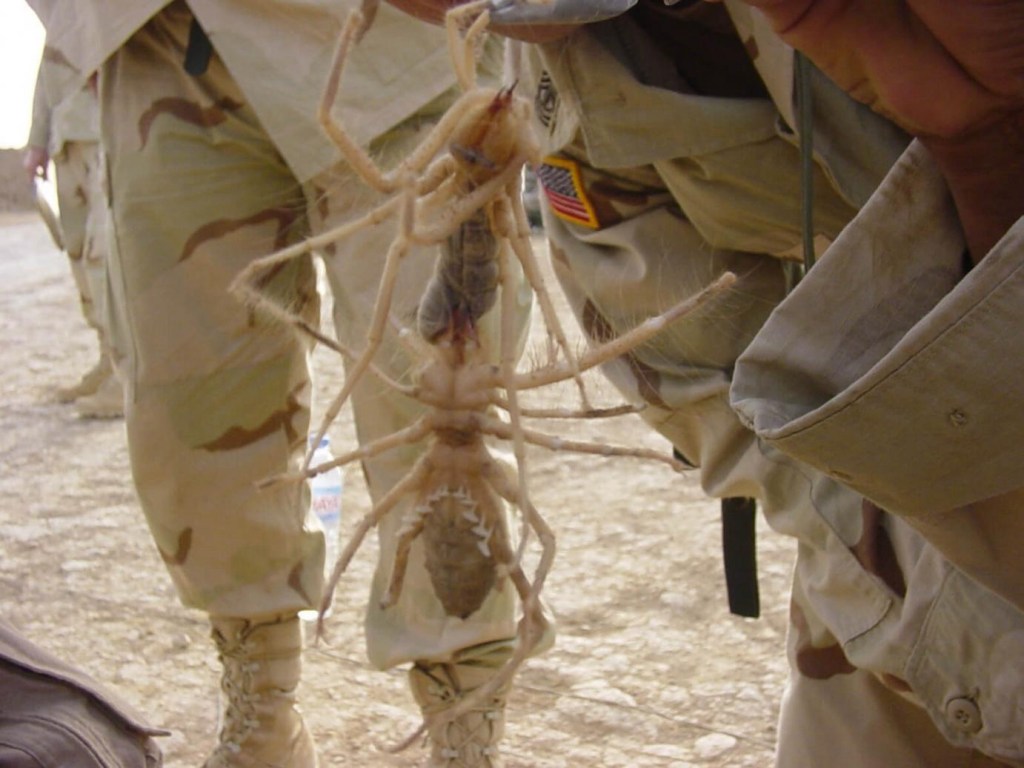
Back in the early 2000’s there was images, like shown, of supposed “giant camel spiders”. These were described as gigantic spiders found in the desert that are able to “eat a camel”. Obviously, this is not true. This is actually an edited photo of a Solifugae, also known as “Sun spiders”. The interesting thing, is they’re actually not spiders at all! They are an arachnid though! The largest of them only grows to around 6 inches, so that’s a far cry from the camel eater it’s nicknamed for. They are non venomous and non aggressive, though a nip from a large one may inflict a painful pinch it will cause no medical significance.
Myth: Venezuelan Poodle Moth image
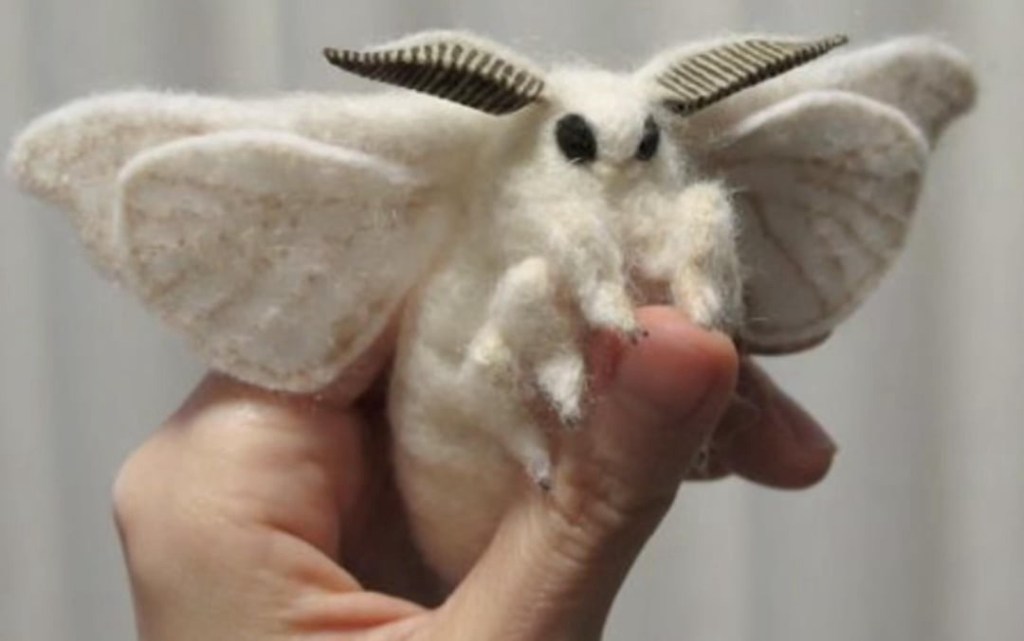
In the early 2010’s this image spread across the internet as a supposed picture of the “Venezuelan poodle moth”. While the Venezuelan poodle moth is a possible species of moth discovered in 2009 by Dr.Arthur Anker, this picture is not of one. This picture is not even a real moth! It is, in fact, a felt doll of a common silk moth. You can find information and images of the real Venezuelan poodle moth here.
Misconception: Brown recluse’s are always deadly and cause necrosis / are the most venomous spider in the world.
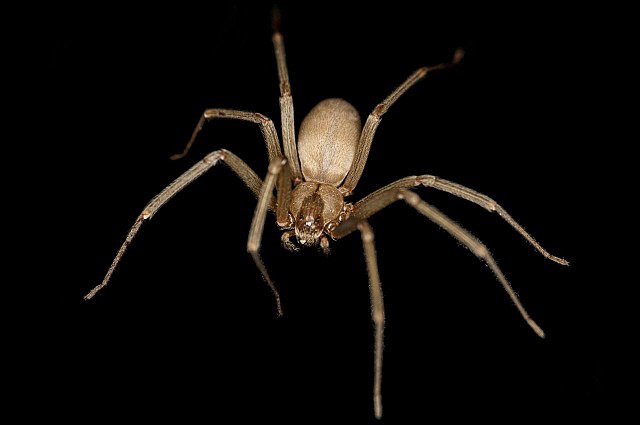
The elusive brown recluse has a legacy of producing deadly necrotic bites and many believe it is one of if not the most venomous spider. But in fact, while brown recluse bites are considered medically significant, most can be dealt with by simply cleaning and disinfecting the bite thoroughly, wrapping it, and taking over the counter painkillers. You should still attempt to get emergency services if you experience any signs of necrosis, but necrosis is not a guaranteed symptom of brown recluse bites and usually necrosis is caused by either an allergy to the venom, or lack of sanitation with the bite and only happens in about 10% of cases. The brown recluse is far from the most venomous spider in the world and is rarely deadly.
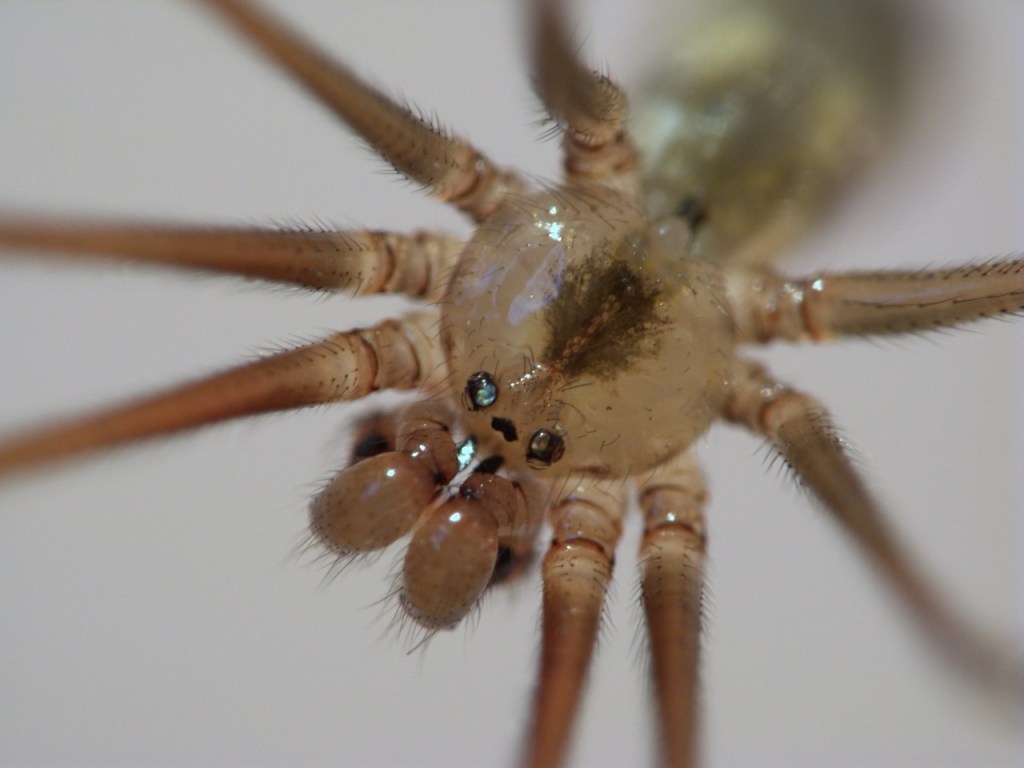
Myth: Cellar spiders have the deadliest venom in the world, but their fangs cannot pierce skin.
Cellar spiders, also sometimes known as “daddy long legs” (species Pholcidae ) are common spiders found in every bodies house from time to time. Somehow, it became a common myth that they produced a deadly venom— but their fangs are just too small to pierce human skin. Thankfully, it is quite the contrary. Cellar spiders do not produce venom that’s medically significant, though they are able to puncture human skin. Their bites aren’t described as painful and are extremely rare.
Misconception: Black Widows are always deadly
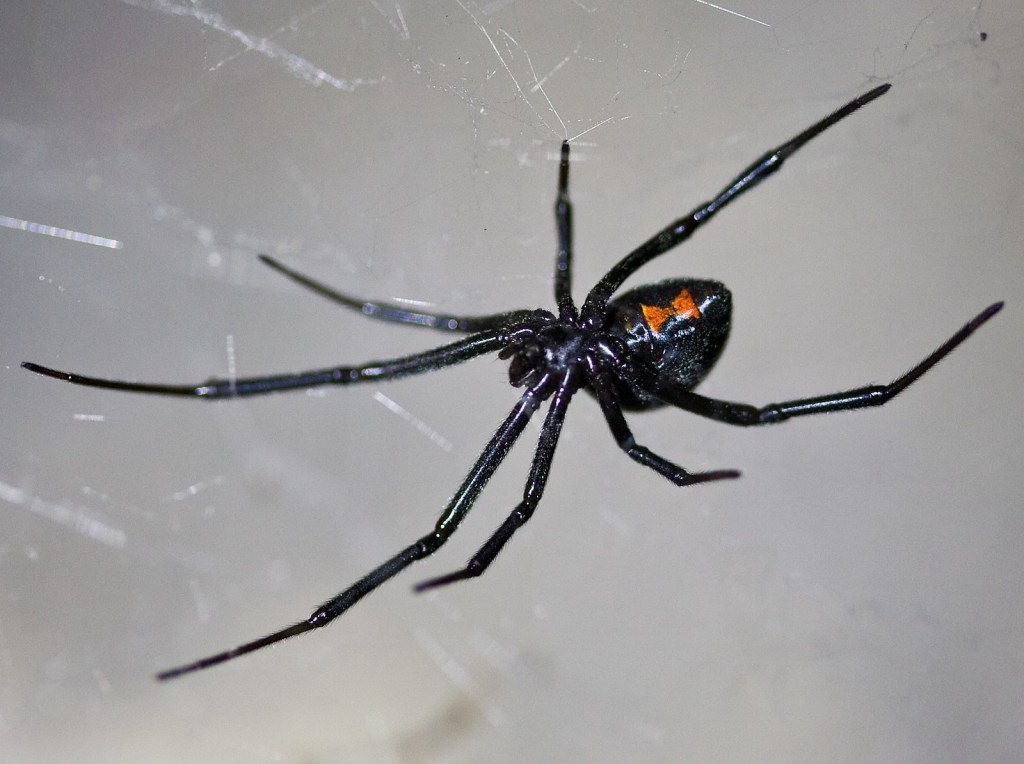
Black widows (species Latrodectus) are said to have venom 15 times that of a rattlesnakes. What people tend to leave out, is the fact that due to the small size and lack of venom injected— the bite is nowhere near as dangerous as a rattlesnakes. While a black widows considered medically significant, only about 1% of people actually die from a bite. It can be painful, but it is rarely a cause for more than the average care of washing and pain meds.
Misconception: Wasps are aggressive and out to get you / can remember human faces
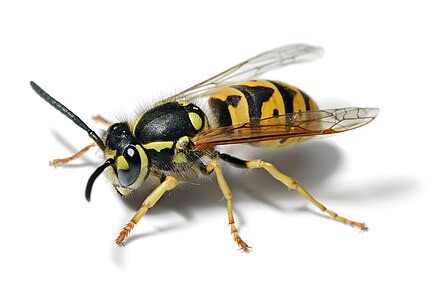
Wasps, especially yellow jackets (species Dolichovespula and Vespula) have a reputation for being aggressive and unpredictable— people tend to think they will purposely chase you with malicious intent. This is untrue— most yellow jackets are territorial at best, and will not chase people far from their nests or unless provoked. Aggressiveness also depends heavily on species. For example, the Vespula Yellowjacket wasp is generally known as territorial— but the common Vespidae Paper wasp, is known for being docile. The bald faced hornet (Dolichovespula maculata) is known for being more aggressive and giving further chase. As for remembering human faces— one study done gave evidence that a specific species of highly social wasp, the golden paper wasp (Polistes aurifer) is able to process faces all at once— much like human facial recognition. Some very specific tests involving training wasps with electric shocks showed some able to recognize the face shown when given them. This does not mean your average wasp you encounter in day to day life will remember you and hunt you down, it is very unlikely a wasp will remember you unless you repetitively hurt or trap it.
 Learn about the bugs in your backyard